





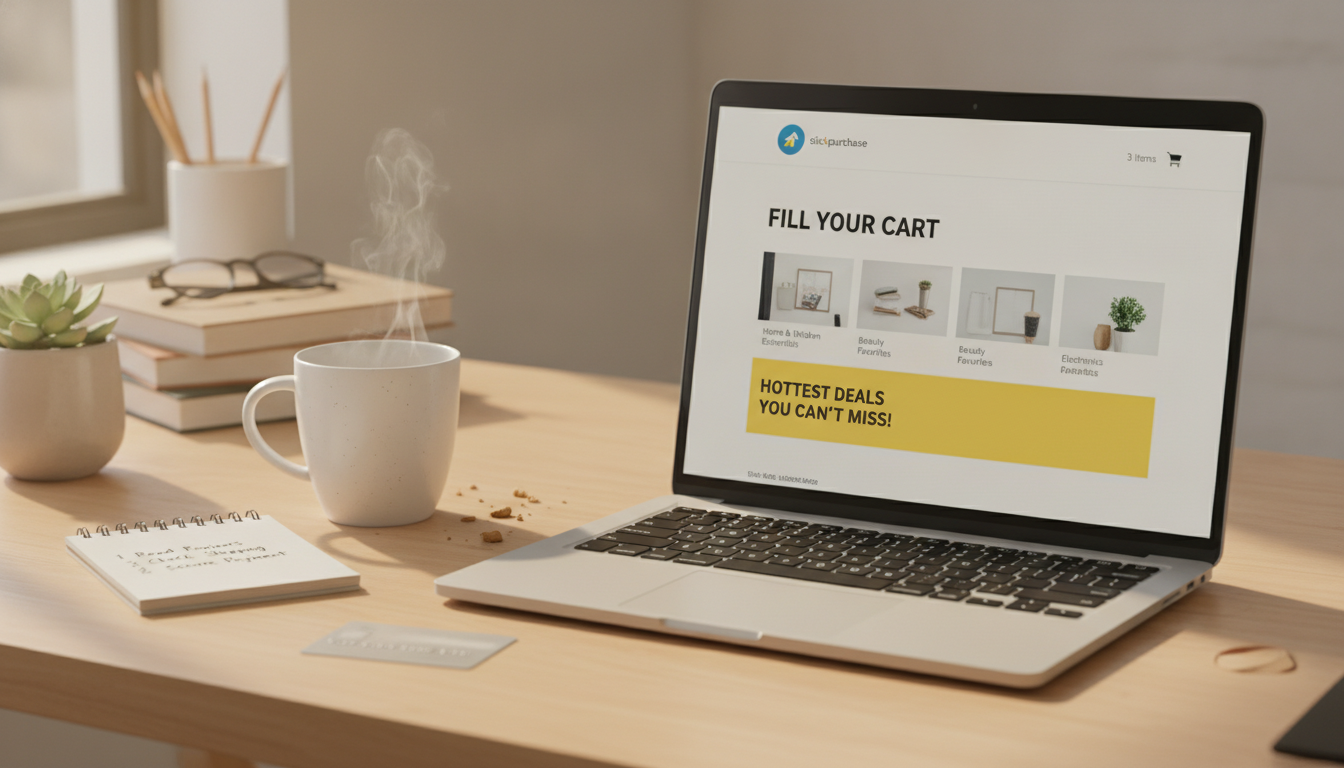
How to Tell If an Online Store Is Actually Trustworthy — Before You Place Your First Order
slickpurchase
Aug 14, 2026
You've found a product you want, the price looks right, and your card is already in your hand — but something makes you pause. Is this store actually legit? It's a smart question, and more people should ask it before they click 'Place Order' rather than after a package never shows up.
The good news: trustworthy online stores leave clear, consistent signals. Once you know what to look for, the difference between a legitimate retailer and a sketchy one becomes obvious in about two minutes of looking around the site.
1. Real Contact Information — Not Just a Contact Form
A legitimate store has nothing to hide about who operates it. Look for a physical address, a working email, and ideally a phone number or live chat option. If the only way to reach the company is a generic web form with no company name attached, that's a red flag.
SlickPurchase, for example, is operated by AmiVentures Inc. and lists a physical address in Houston, TX. That kind of paper trail — a named company, a real location — is exactly the kind of accountability that fly-by-night operations avoid.
2. Secure Checkout (Look for HTTPS and Trusted Payment Options)
Before you enter any payment details, glance at your browser's address bar. The URL should start with https:// — that 's' means your data is encrypted in transit. No padlock icon? Close the tab.
Beyond that, trustworthy stores offer recognizable payment methods — major credit cards, PayPal, or other established processors. If a store only accepts wire transfers or gift cards, walk away. Secure checkout backed by established payment processors is a baseline, not a bonus.
3. A Clear, Findable Return and Refund Policy
This one trips people up. A store that buries its return policy in a footer link that goes nowhere, or that has no policy at all, is telling you something important: they're not planning to make returns easy. A legitimate retailer spells out its policy plainly — what's eligible, how long you have, and how the process works.
Before your first order anywhere, spend sixty seconds finding that policy page. If you can't find it, or if it reads like it was written specifically to avoid giving refunds, that's your answer.
4. Consistent Brand Identity Across the Site
Scammy storefronts tend to feel slightly off — mismatched fonts, stock photos that look borrowed from a dozen different places, product descriptions that read like they were run through a translator twice. A real, operating business has a coherent identity: consistent design, a recognizable name, and product listings that actually match what the store claims to sell.
This is worth a quick scroll through a few category pages. Does the store feel like someone built and maintains it? Or does it feel assembled overnight? Your gut is usually right here.
5. Accessible Customer Support — Before You Need It
Here's a test most people skip: try to reach customer support before you buy anything. Send a quick question. See if someone responds, and how fast. A store that offers 24/7 support is making a real commitment — one that costs money to keep — which means they're planning to be around long enough to honor it.
A store that goes quiet when you ask a pre-sale question will almost certainly go quiet when you have a post-sale problem.
One More Thing: Transparency About What They Sell
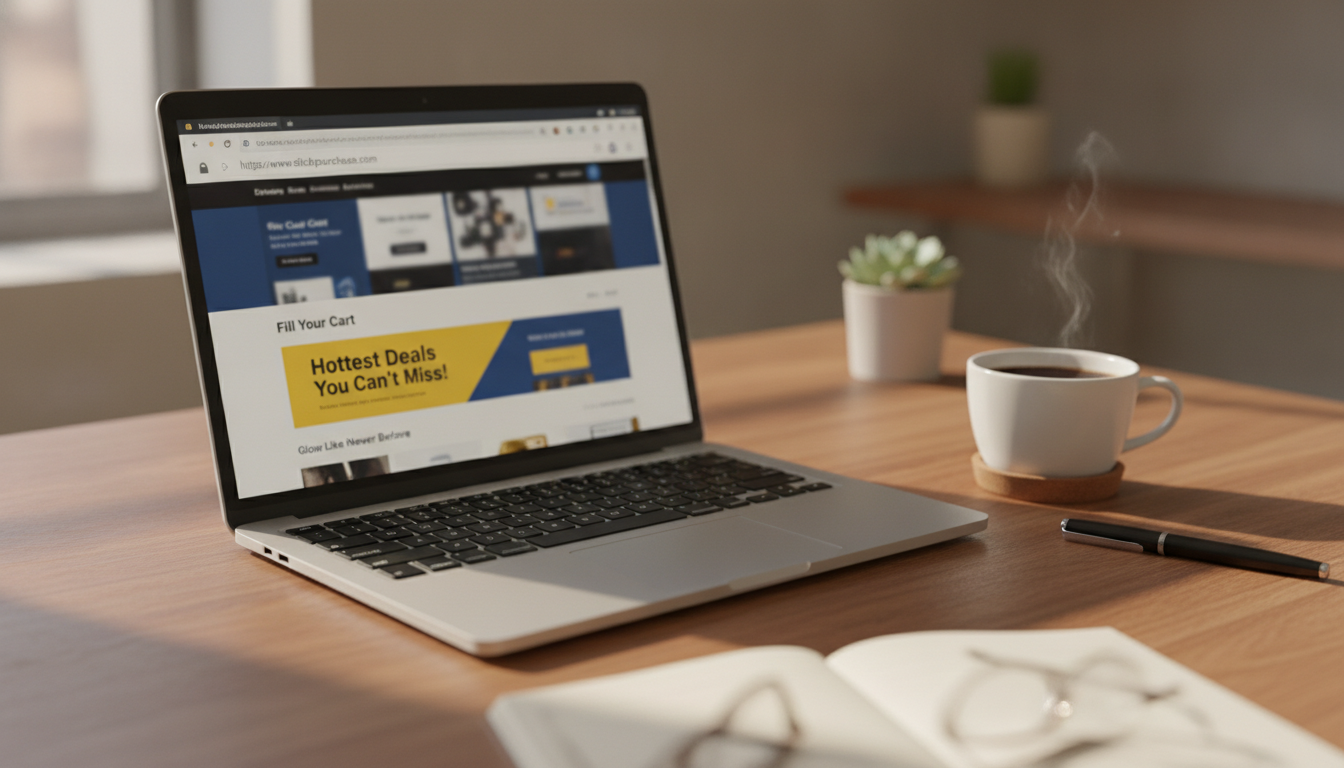
Trustworthy general merchandise stores are upfront about the scope of what they carry. SlickPurchase, for instance, stocks products across 20+ categories — home and kitchen, beauty, electronics, sports gear, and more — and says so clearly. That kind of transparency, knowing exactly what you're walking into, is a sign of a store confident in its own offering. Compare that to vague storefronts that seem to sell everything but describe nothing specifically.
If you want a deeper look at how a broad catalog can actually work in your favor as a shopper, this breakdown of shopping across 20+ categories in one place is worth a read.
The Bottom Line
You don't need to be a cybersecurity expert to shop safely online. You just need to slow down for two minutes and look for the signals that a real, accountable business leaves behind: a named company, a physical address, secure checkout, a clear return policy, and support that actually responds.
If a store checks all five boxes, your instinct to trust it is probably right. If it's missing two or three, your hesitation is telling you something worth hearing.
SlickPurchase is built to clear every one of those bars — operated by AmiVentures Inc., with 24/7 customer support, secure checkout, free shipping on most orders, and a catalog of over 25,000 products you can browse with confidence. See how it's set up and shop with confidence at SlickPurchase.com.
Frequently Asked Questions
How can I verify that an online store is a real, registered business?
Look for a named parent company or operator listed on the site — usually in the footer, the About page, or the Terms of Service. A physical mailing address is another strong signal. You can also search the company name alongside terms like "BBB" or "reviews" to see if there's an established track record outside the store's own website.
Is it safe to use my credit card on an unfamiliar online store?
It can be, as long as the site uses HTTPS (look for the padlock in your browser's address bar) and offers a recognized payment processor. Credit cards also give you chargeback rights if an order goes wrong, which makes them a safer choice than debit cards or wire transfers when shopping somewhere new.
What should a legitimate return policy include?
At minimum, a trustworthy return policy should state the return window (how many days you have), which items are eligible, who covers return shipping, and how and when you'll receive a refund or exchange. If any of those details are missing or deliberately vague, treat it as a warning sign before you buy.
Does free shipping mean a store is more trustworthy?
Not on its own — but it's a reasonable indicator that a store is operating at a scale where it can absorb that cost, which suggests it's a functioning business rather than a one-time operation. Free shipping combined with the other trust signals (real contact info, secure checkout, a clear return policy) paints a more complete picture of a legitimate retailer.
Share this post: