
Recent Post


How to Actually Get Value
Sep 08, 2026

5 Everyday Products That Smell
Sep 04, 2026

Why You Abandon Your Cart
Sep 01, 2026

Back-to-School on a Real Budget:
Aug 28, 2026
Tags
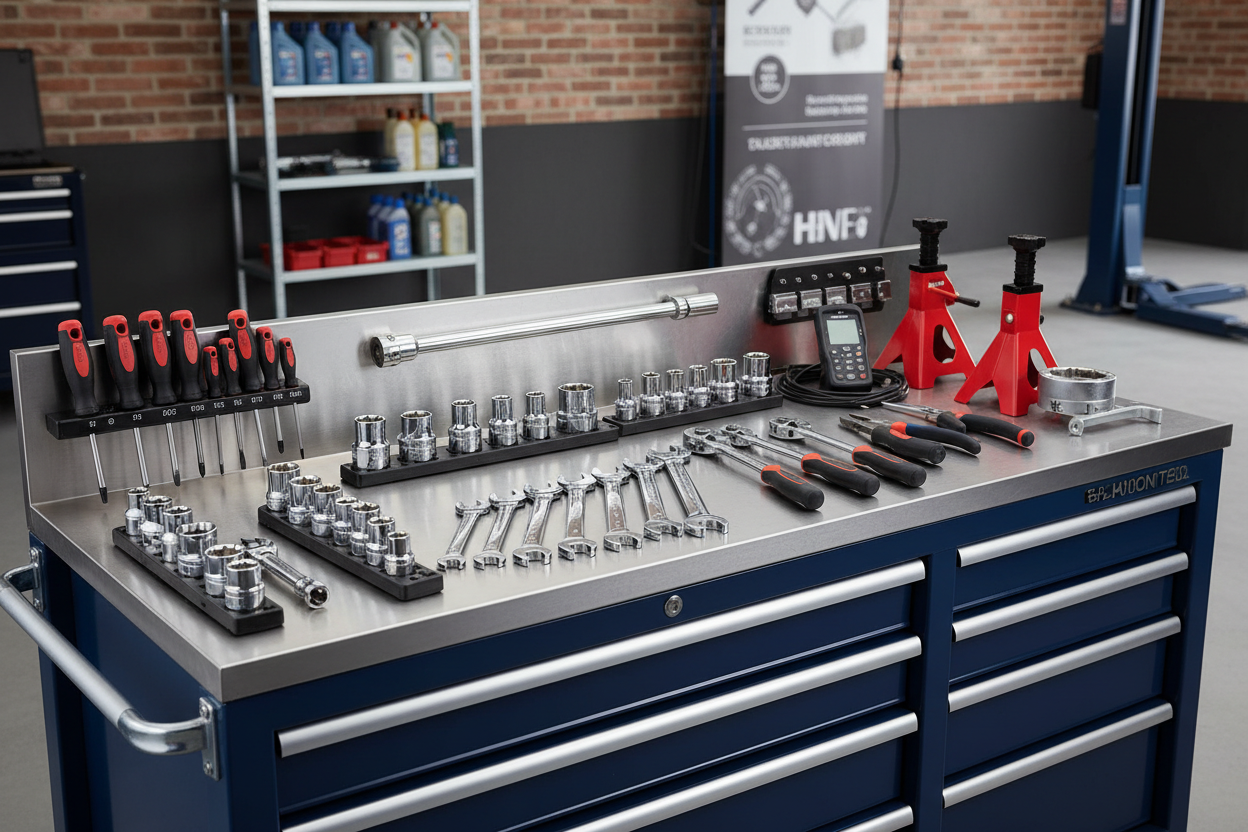
Essential Automotive Tools: A Comprehensive Guide for Mechanics and Drivers
Slickpurchase
Apr 06, 2026
Essential Mechanic Tools: The Ultimate Guide to Building Your Automotive Toolkit
If you’re passionate about cars or considering a career as an automotive mechanic, having the right mechanic tools is fundamental to your success. This guide explores what tools to invest in, how to maintain them, and the essential safety gear to boost your efficiency, precision, and safety when working on vehicles.
Key Takeaways
- Quality hand tools form the foundation of a reliable mechanic’s toolkit.
- Power tools significantly increase productivity and efficiency.
- Modern diagnostic tools like OBD-II scanners are essential for today’s vehicles.
- Proper tool maintenance and safety gear are critical for long-term success and protection.
- Certifications and software solutions complement physical tools for professional advancement.
Table of Contents
- 1. Why Mechanic Tools Matter: Setting the Foundation for Automotive Repair
- 2. Essential Hand Tools for Mechanics: The Foundation of Every Toolkit
- 3. Power Tools That Boost Automotive Mechanic Productivity
- 4. Automotive Diagnostic Tools: Diagnosing Problems with Precision
- 5. Roadside Emergency Kits for Drivers: Be Prepared Anywhere, Anytime
- 6. Investing Wisely: The Cost and Quality of Mechanic Tools
- 7. Proper Tool Maintenance: Prolonging Tool Life and Ensuring Safety
- 8. Safety Gear for Mechanics: Protecting Yourself on the Job
- 9. Mechanic Certifications and Training: Building Credibility and Knowledge
- 10. Automotive Business Software: Enhancing Workshop Efficiency
- 11. Final Thoughts: Assembling a Reliable Mechanic Toolkit
1. Why Mechanic Tools Matter: Setting the Foundation for Automotive Repair
The automotive industry depends on specialized tools designed for specific jobs. Both professional mechanics and amateur car enthusiasts must rely on quality tools to diagnose, repair, and maintain vehicles with accuracy and safety. Investing in high-quality mechanic tools improves work efficiency, extends tool longevity, and adapts to the continuously evolving technology in cars.
For example, modern vehicles incorporate advanced electronic systems, making diagnostic devices such as OBD-II scanners indispensable for service accuracy. A well-balanced toolkit helps minimize downtime, ensures safety compliance, and empowers you to handle a wide range of automotive challenges.
2. Essential Hand Tools for Mechanics: The Foundation of Every Toolkit
Hand tools are the core instruments every mechanic relies upon—from simple adjustments to critical component replacements. A well-stocked hand toolset offers versatility and precision.
Key Hand Tool Items
- Socket Sets: Both metric and SAE sets to efficiently tighten and loosen bolts and nuts.
- Wrenches: Combination, adjustable, and torque wrenches allow precise force application without damaging parts.
- Screwdrivers: Phillips, flathead, and Robertson heads in regular and precision sizes cover most fasteners.
- Pliers: Locking, groove-lock, and duckbill types for gripping, twisting, and cutting wires or parts.
- Hammers and Mallets: Dead blow hammers reduce rebound damage during assembly or dismantling.
- Pry Bars: Durable sets assist in safely removing stuck or misaligned parts.
- Files and Feeler Gauges: For smoothing rough edges and accurately measuring small gaps.
Recommended Brands for Hand Tools
- GearWrench: Known for ratcheting wrenches ideal in tight spaces.
- Milwaukee: Versatile screwdriver kits with ergonomic grips.
- Eastwood and OEMTOOLS: Affordable, reliable options tailored to automotive needs.
Quality and ergonomics matter—tools with comfortable grips and robust build enhance safety and ease during demanding tasks. Explore options at Eastwood Hand Tools.
3. Power Tools That Boost Automotive Mechanic Productivity
Power tools augment hand tools by speeding up labor-intensive tasks and improving control, especially when dealing with tough fasteners or larger projects.
Must-Have Power Tools for Mechanics
- Impact Wrenches: Rapidly remove/install bolts without excessive manual effort.
- Cordless Drills and Drivers: Ideal for drilling and driving with portability for garage or roadside.
- Angle Grinders and Sanders: For cutting, grinding, and surface prep.
- Reciprocating Saws: Effective at cutting metal and ductwork efficiently.
- Air Compressors: Power pneumatic tools integral to many mechanic tasks.
Investing in reputable brands ensures durability and consistent performance. Browse top selections at Eastwood Power Tools.
4. Automotive Diagnostic Tools: Diagnosing Problems with Precision
Today's vehicles are electronically sophisticated. Accurate diagnostics require specialized equipment and software for timely troubleshooting.
Essential Diagnostic Tools
- OBD-II Scanners: Read and clear fault codes from the vehicle's computer system.
- Multimeters: Test voltage, current, and resistance; models like the Amprobe PK-110 are popular.
- Compression Testers and Oil Pressure Kits: Evaluate engine and oil system health.
- Battery Testers: Monitor battery charge and overall condition.
Using OEM diagnostic software enhances repair accuracy by offering manufacturer-specific troubleshooting. Discover professional software solutions like ALLDATA Diagnostic and Repair Software.
5. Roadside Emergency Kits for Drivers: Be Prepared Anywhere, Anytime
Every driver benefits from a compact, effective emergency kit to safely address common vehicle issues in unexpected situations.
Key Roadside Kit Components
- Tire Pressure Gauge: Pistol-grip design for ease of use.
- Portable Jump Starter: Multipurpose models include USB ports and tire inflators.
- Socket and Lug Wrench Sets: Telescoping breaker-bar style for leverage.
- Hydraulic Jack and Jack Stands: Secure vehicle lifting during repairs.
- LED Work Light: For visibility in low-light environments.
- Basic Hand Tools: Screwdrivers, pliers, multimeter for troubleshooting.
- Tire Repair Kit, Duct Tape, Zip Ties: Quick fixes and part securing.
- OBD-II Scanner: Helps drivers assess fault codes and decide on emergency measures.
Being prepared protects you from being stranded and adds peace of mind.
6. Investing Wisely: The Cost and Quality of Mechanic Tools
Building a mechanic’s toolkit is a financial commitment, but choosing quality pays dividends in tool longevity and reliability.
Typical Tool Kit Costs
- Entry-Level Kits: $7,500–$11,000, suitable for beginners and small garages.
- Professional Kits: Over $27,000 including specialized tools and diagnostic technology.
Why Quality Matters
- High durability for heavy, frequent use.
- Improved grip and precision reducing injury risk.
- Technological adaptability for modern vehicle systems.
Industry leaders such as Snap-on and Matco Tools exemplify exceptional craftsmanship and professional trust.
7. Proper Tool Maintenance: Prolonging Tool Life and Ensuring Safety
Regular care keeps your tools working effectively and improves workplace safety.
- Cleaning: Remove grease, grime, and rust after every use.
- Lubricating: Use oils on moving components to reduce wear.
- Organizing: Store in a dry, well-organized toolbox for easy access.
- Inspecting: Check for damage or wear and replace items promptly.
8. Safety Gear for Mechanics: Protecting Yourself on the Job
Automotive work carries risks; proper protective equipment minimizes injury possibility.
Must-Have Safety Gear
- Gloves: Protect against abrasions and impacts.
- Safety Glasses: Shield eyes from debris and chemicals.
- Hearing Protection: Prevent noise-induced hearing loss.
- Steel-Toed Boots: Guard feet from heavy falling objects.
- Work Clothing: Durable and flame-resistant when necessary.
Professionals consistently stress the importance of safety in daily practice.
9. Mechanic Certifications and Training: Building Credibility and Knowledge
Formal education and certifications validate skills and enhance career prospects.
Common Certification Pathways
- Education: GED or high school diploma start point.
- Vocational Training: Specialized automotive courses.
- Apprenticeships: Hands-on learning with experienced mechanics.
- ASE Certification: Industry-recognized certification requiring work experience and exams.
Continuous learning keeps mechanics up-to-date with evolving automotive technology and methods.
10. Automotive Business Software: Enhancing Workshop Efficiency
Beyond physical tools, software solutions streamline workshop management and customer service.
Key Software Features
- Inventory Management: Tracks tools, parts, and supplies to prevent shortages.
- Repair Orders: Simplifies documentation of diagnostics and repairs.
- Customer Relationship Management (CRM): Improves scheduling, invoicing, and client follow-ups.
One popular platform integrating these features is ALLDATA Manage Online, which modernizes repair shops and increases operational efficiency.
11. Final Thoughts: Assembling a Reliable Mechanic Toolkit
The perfect mechanic toolkit balances quality hand tools, efficient power tools, critical diagnostic devices, essential safety gear, and continued education. Whether you are a driver preparing for roadside emergencies or a professional mechanic managing a workshop, the right tools enable confidence, precision, and safety.
Start by investing in quality hand tools and diagnostic equipment. Expand your arsenal with power tools and software as your needs grow. Always maintain your tools meticulously, stay certified, and prioritize safety. This approach equips you to meet the challenges of automotive repair and maintenance — under the hood or roadside — successfully and professionally.
For trusted, high-quality tools and equipment, visit Eastwood’s comprehensive catalog to start building your ultimate mechanic toolkit today.
FAQ
What are the most essential hand tools every mechanic should have?
At minimum, a mechanic should have socket sets (both metric and SAE), combination and torque wrenches, a variety of screwdrivers, pliers, dead blow hammers, pry bars, and feeler gauges. These form the backbone for most automotive repairs.
Are OBD-II scanners necessary for DIY car repairs?
Yes, OBD-II scanners provide valuable fault code readings from your vehicle’s onboard computer, helping diagnose engine and system problems quickly and saving time and money on repairs.
How often should mechanic tools be maintained?
Tools should be cleaned, lubricated, and inspected after every use, or at a minimum on a regular schedule depending on usage frequency. Proper storage is equally important to prevent rust and damage.
What safety gear is critical when working on vehicles?
Essential safety gear includes gloves, safety glasses, hearing protection, steel-toed boots, and durable work clothing. These protect against physical injuries and chemical exposure common in automotive work.
Is formal certification necessary to be a professional mechanic?
While not legally required everywhere, certifications like those from ASE greatly enhance credibility, demonstrate expertise, and often improve job prospects and earning potential.