
Recent Post


How to Actually Get Value
Sep 08, 2026

5 Everyday Products That Smell
Sep 04, 2026

Why You Abandon Your Cart
Sep 01, 2026

Back-to-School on a Real Budget:
Aug 28, 2026
Tags
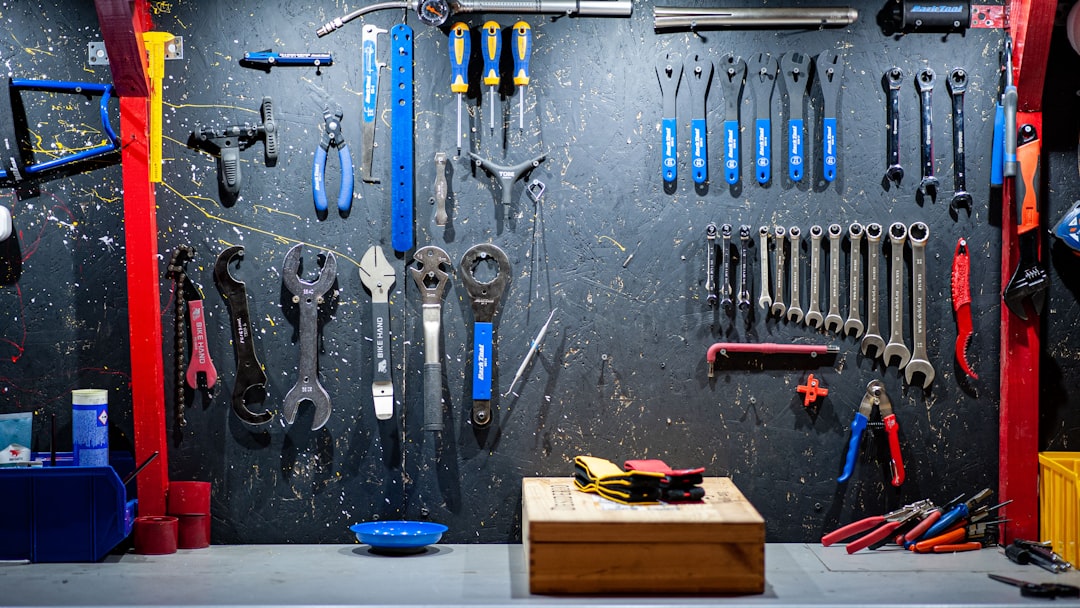
Essential Automotive Tools Guide: Must-Haves for DIYers and Mechanics
Slickpurchase
Apr 01, 2026
Essential Automotive Tools: A Comprehensive Guide for DIYers and Mechanics
Maintaining, repairing, or upgrading your vehicle demands the right tools to ensure safety, efficiency, and precision. Whether you're a beginner DIYer or an aspiring professional mechanic, this guide covers foundational hand tools, power tools, diagnostic equipment, safety gear, career advancement tips, and maintenance strategies to help you build and maintain the ultimate automotive toolbox.
Key Takeaways
- Start with foundational automotive hand tools for routine maintenance and minor repairs.
- High-quality, diverse hand tools and power tools increase efficiency and precision for mechanics.
- Diagnostic equipment enables accurate troubleshooting, saving time and money.
- Proper safety gear is essential to protect yourself during vehicle work.
- Organizing and maintaining your tools prolongs their life and boosts productivity.
- Certification and continuous learning are critical for career advancement in automotive mechanics.
- Budget wisely by prioritizing quality over quantity in your tool investments.
Table of Contents
- 1. Foundational Automotive Tools Every Car Owner Should Possess
- 2. Essential Hand Tools Every Mechanic Needs
- 3. Power Tools: A Game Changer for Automotive Efficiency and Speed
- 4. Diagnostic and Testing Equipment: Precision Troubleshooting
- 5. Automotive Safety Gear: Shield Yourself While You Repair
- 6. Organizing and Maintaining Your Automotive Tools
- 7. The Journey Towards Becoming a Certified Mechanic
- 8. Budgeting for Automotive Tools: Prioritizing Quality Over Quantity
- 9. Final Observations: Constructing Your Automotive Tool Kit the Right Way
1. Foundational Automotive Tools Every Car Owner Should Possess
Starting your automotive tool collection with basic hand tools is key for handling routine maintenance and minor repairs confidently without expensive shop visits.
A Necessity of Hand Tools
- Wrench and Socket Sets: Choose forged chrome-vanadium steel combination wrenches (both SAE and metric) with a reliable socket set to fit most passenger car fasteners.
- Screwdrivers: Invest in a quality set of flathead and Phillips screwdrivers with chemical-resistant handles and include precision screwdrivers for fine work.
- Pliers: Include needle-nose, slip-joint, side cutters, and locking pliers for gripping, twisting, and cutting tasks.
- Jack and Jack Stands: Use a hydraulic floor jack alongside sturdy jack stands to safely lift and support your vehicle; never rely on the jack alone.
Additional Handy Tools
- Pry bars and breaker bars for loosening stubborn bolts.
- Extension bars for accessing hard-to-reach bolts.
- Files and rasps to shape parts and smooth metal edges.
- Feeler gauges for measuring precise gaps, such as spark plug spacing.
Beginning with these essentials helps you tackle common automotive tasks confidently and economically. Learn more about foundational tools here.
2. Essential Hand Tools Every Mechanic Needs
Stepping into professional or advanced automotive work requires precise, durable, and diverse hand tools that enhance safety and speed while minimizing fatigue.
Types of Wrenches for Maximum Efficiency
- Combination wrenches for versatility.
- Ratcheting wrenches to work efficiently in tight spaces.
- Adjustable wrenches for variable fasteners—used carefully to avoid slips.
- Torque wrenches (click-style preferred) for accurate torque application on critical fasteners.
- Pipe wrenches for heavy-duty gripping needs.
Screwdrivers and Pliers
Screwdrivers must be robust with chemical-resistant handles. Precision screwdrivers protect delicate electrical components.
A full pliers set includes:
- Needle-nose
- Slip-joint
- Side cutters
- Locking pliers
- Duckbill and groove-lock pliers for specialized tasks
Other Essential Hand Tools
- Pry and breaker bars for added leverage
- Extension bars for hard-to-reach areas
- Feeler gauges and files for precision measurements and shaping
Expert tip: Brands like Milwaukee, GearWrench, and Crescent offer hand tools highly favored by professionals. Discover more here.
3. Power Tools: A Game Changer for Automotive Efficiency and Speed
Power tools drastically cut down manual effort and time for many automotive tasks, elevating workflow for hobbyists and professionals alike.
Essential Automotive Power Tools
- Cordless Drill/Driver: Brushless motor models offer more power and longer battery life. Compatible batteries across tools enhance convenience.
- Impact Wrench: A 1/2" cordless impact wrench with 400+ ft-lbs torque is optimal for removing lug nuts and stubborn bolts.
- Angle Grinder: Use 4-1/2" or 5" discs for cutting, grinding, or polishing metal and other materials.
- Reciprocating Saw and Sanders: Perfect for demolition, trimming, and surface prep.
- Air Compressor: Powers pneumatic tools like impact wrenches and spray guns—ideal for professional settings.
Combined with safety equipment, power tools speed up work while maintaining precision.
Recommended brands include DeWalt cordless drills, Milwaukee impact wrenches, and Makita air compressors. Explore more here.
4. Diagnostic and Testing Equipment: Precision Troubleshooting
Modern vehicles rely heavily on electronics and complex systems, making diagnostic tools essential for effective troubleshooting.
Indispensable Diagnostic Tools
- OBD-II Code Reader: Reads engine codes and emissions status. A must-have for all skill levels.
- Digital Multimeter: Measures voltage, current, and resistance to diagnose electrical issues.
- Compression Tester: Checks cylinder compression to identify engine problems.
- Battery Tester: Evaluates battery health and charging system performance.
- Oil Pressure Test Kit: Confirms proper oil system pressure critical for engine longevity.
Brands like Amprobe, Proto, and Gardner Bender provide reliable diagnostic tools. Learn more here.
5. Automotive Safety Gear: Shield Yourself While You Repair
No matter your expertise, safety takes precedence. Basic personal protective equipment reduces accident risks significantly.
Essential Safety Gear Checklist
- Safety Glasses: Clear-lens, wraparound styles protect against debris and chemical splashes. Pyramex is a trusted brand.
- Protective Gloves: Mechanix Wear gloves offer dexterity while guarding against cuts, burns, and chemicals.
- Steel-Toed or Closed-Toe Shoes: Protect feet from heavy or sharp falling objects.
- Fire Extinguisher: Keep an appropriate extinguisher handy for flammable and electrical hazards.
- Wheel Chocks: Prevent vehicle rollaway during repairs.
- Proper Lighting: Use bright, hands-free lighting to enhance visibility and reduce mistakes.
A safe working environment safeguards you and increases productivity. Explore automotive PPE details here.
6. Organizing and Maintaining Your Automotive Tools
Proper storage and upkeep keep tools functional longer while saving valuable time during repairs.
Organization Tips
- Use labeled tool chests or carts to sort tools by type and frequency of use.
- Keep frequently used tools easily accessible.
- Store in dry locations to prevent rust and corrosion.
Maintenance Practices
- Clean tools after use to remove grease and dirt.
- Apply rust-preventative sprays regularly.
- Inspect for damage and repair or replace as needed.
- Sharpen cutting tools for optimal performance.
Well-maintained tools reduce frustration and repair times. Find storage solutions here.
7. The Journey Towards Becoming a Certified Mechanic
Those aiming to turn automotive skills into a career must focus on education, training, and certification.
Milestones on the Mechanic Certification Path
- Obtain a high school diploma or GED and explore industry options.
- Complete hands-on automotive training from trade schools, community colleges, or military programs.
- Participate in apprenticeships or internships under experienced technicians.
- After 1-2 years experience, pursue ASE certification across specialties such as brakes or engine repair.
Tool Investment for Professionals
- General technician tool kits cost between $7,500 and $11,000.
- Specialized tools may raise investments to as much as $27,000.
- Choose trusted brands like Snap-on, Milwaukee, and GearWrench for lasting value.
For education and career insights, learn more here.
8. Budgeting for Automotive Tools: Prioritizing Quality Over Quantity
Balancing cost and quality is vital when building your tool collection, whether beginner or professional.
Budget Guidelines
- Start small with essential hand tools and add as necessary.
- Invest in premium, frequently used hand tools for durability and comfort.
- Choose mid-tier brands for power tools initially, upgrading later.
- Select affordable yet reliable diagnostic devices to gain value without overspending.
Remember, cheap tools often lead to early replacement costs and possible vehicle damage. Upfront investment in quality pays off in the long run.
9. Final Observations: Constructing Your Automotive Tool Kit the Right Way
The correct tools are the cornerstone of effective vehicle maintenance and repair. Starting with fundamental hand tools gives DIYers the confidence and safety to perform routine tasks. As you advance, incorporating premium hand tools, power tools, and diagnostic devices amplifies productivity and precision.
Safety and upkeep remain essential throughout your journey, protecting both you and your investment. For aspiring professionals, combining education, real-world experience, certifications, and strategic tool investments paves a path toward a fulfilling career.
By applying the guidance shared here, you will confidently build a customized, efficient, and safe automotive toolkit tailored for all levels of work.
FAQ
Q: What are the must-have basic hand tools for beginners?
A: Essential basics include a good wrench and socket set (SAE and metric), a variety of screwdrivers, pliers (needle-nose, slip-joint), and a reliable hydraulic floor jack with jack stands.
Q: Are power tools necessary for DIY automotive repairs?
A: While not mandatory for all tasks, power tools like cordless drills and impact wrenches greatly speed up work and reduce physical strain, making them worthwhile investments.
Q: How important is investing in quality tools?
A: Investing in quality tools pays off by increasing tool longevity, reducing repair errors, and minimizing hand fatigue, even if initial costs are higher.
Q: What safety gear should I never work without?
A: Always wear safety glasses, protective gloves, and sturdy closed-toe shoes. Additionally, keep a fire extinguisher and wheel chocks nearby for added safety.
Q: How can I become a certified automotive mechanic?
A: Follow a path of obtaining education, completing hands-on training, gaining apprenticeship experience, and passing ASE certification exams after 1-2 years of working under qualified technicians.