


Frequently Asked Questions
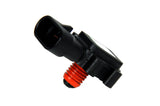
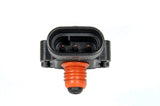
The dimensions are four point zero six inches in length, two point one nine inches in width, and two point one two inches in height. This compact size ensures easy installation in various GM vehicles.
The model number is one nine two zero seven five five nine. This ensures you are purchasing the correct replacement part for your GM vehicle.
Yes, it is manufactured to GM original equipment specifications for fit, form, and function. This guarantees compatibility and performance.
To install, locate the sensor in your vehicle’s ignition or engine fuel management system, remove the old sensor, and replace it with the new one. Ensure all connections are secure for optimal performance.
No, it is designed for specific GM models. Always check your vehicle’s specifications to ensure compatibility with part number one nine two zero seven five five nine.
Yes, if you have basic automotive knowledge and tools, you can install it yourself. However, if you are unsure, it is best to consult a professional mechanic.
Keep the sensor clean and free from debris. Regular vehicle maintenance will help ensure the sensor remains in good working condition.
No, the ACDelco Barometric Pressure Sensor is not classified as hazardous material. However, follow standard automotive safety practices during installation.
Contact the seller immediately to report the damage. Most sellers will have a return or replacement policy in place for damaged items.
The warranty typically lasts for one year from the purchase date. Be sure to check the specific warranty details provided at the time of purchase.
Yes, it is designed to offer the quality, reliability, and durability expected from GM original equipment. It has been tested to meet strict performance standards.
The ACDelco Barometric Pressure Sensor plays a crucial role in engine fuel management, helping improve overall engine efficiency and performance.
It is recommended to use OEM parts like this sensor for reliability. Aftermarket modifications may require different components.
Yes, by ensuring accurate air pressure readings, it helps optimize fuel management, which can lead to improved fuel efficiency.
It impacts the ignition and engine fuel management systems. Proper function is vital for overall vehicle performance and drivability.